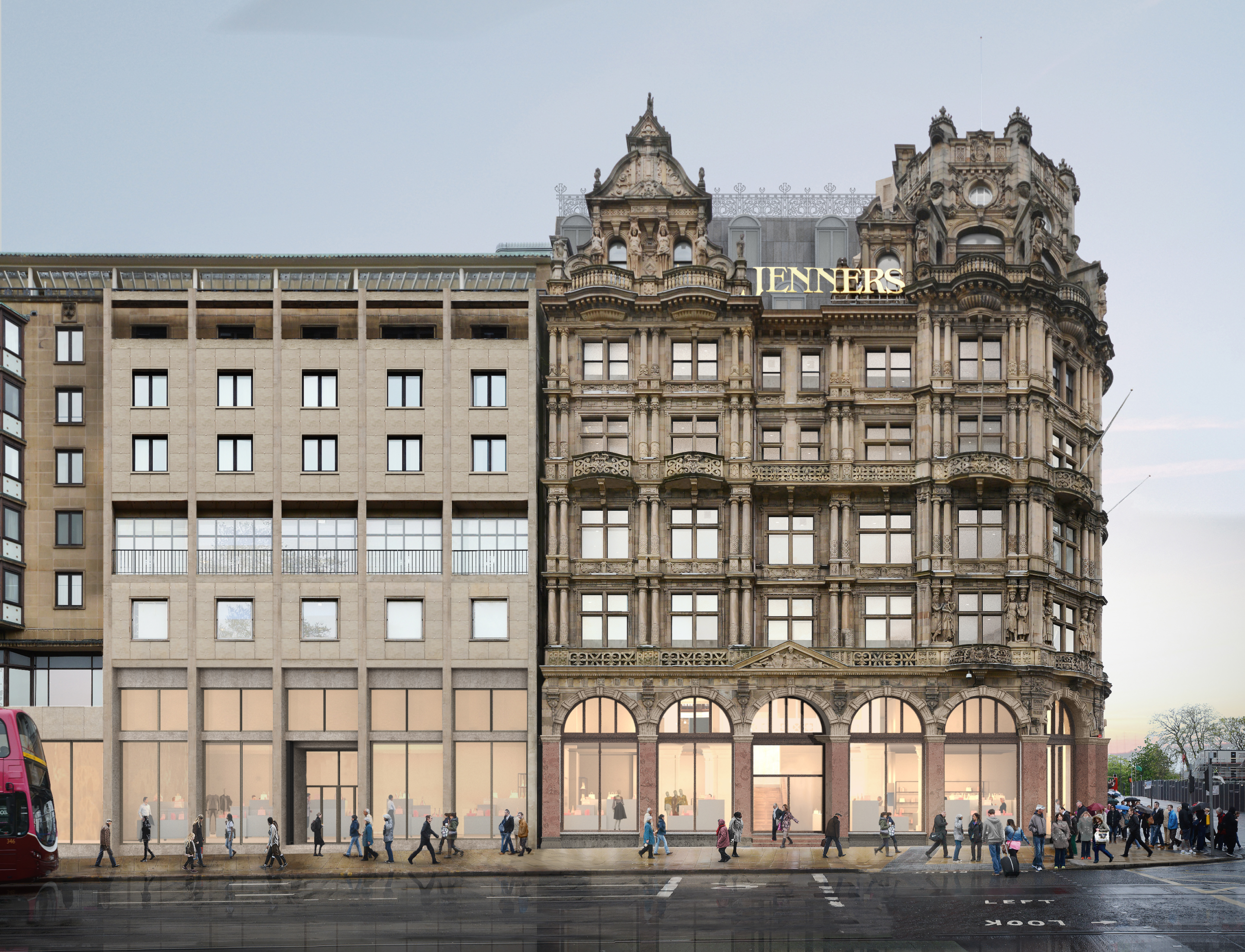
The historic façade of an iconic piece of Edinburgh architecture will soon be revealed to the city for the first time in more than two years. The Jenners Building, a cornerstone of Princes Street for more than 130 years, is undergoing a major restoration and redevelopment programme led by AAA United, a real estate company owned by Anders Holch Povlsen, which acquired the building in 2017. GRAHAM is the main contractor on the project.
The project combines the careful conservation of one of Edinburgh’s most significant historic buildings with ambitious plans for its next chapter as a mixed-use development that seamlessly integrates contemporary retail, hospitality, wellbeing and cultural offerings within a single destination.
External scaffolding will be removed in stages this winter, unveiling that work to the public for the first time.
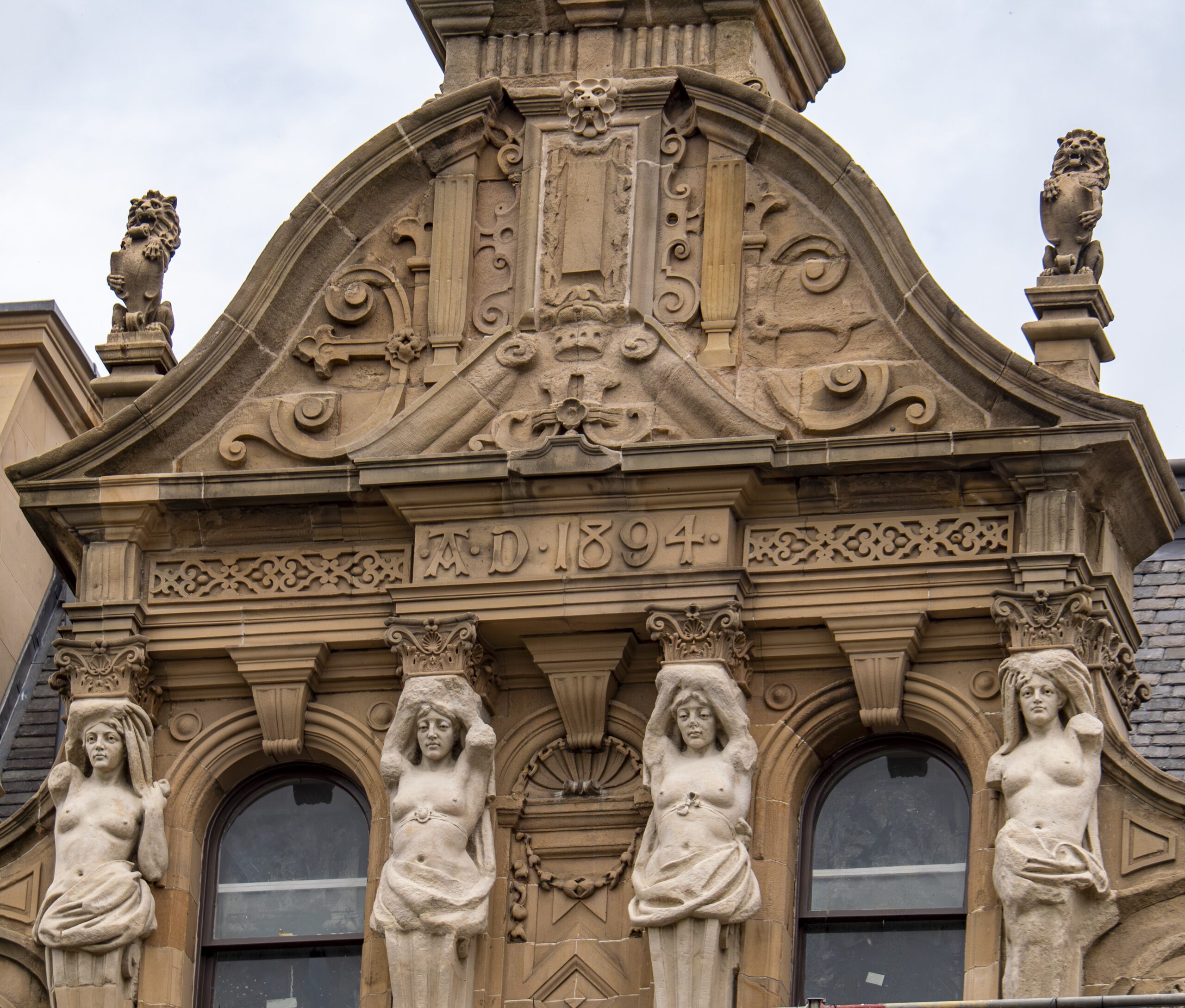
Working alongside architects, engineers and other specialists, the teams have carried out detailed conservation of surviving historical fabric, reinstated original features lost or damaged over time, and carefully integrated new elements, reflecting the architectural importance of the Category A-listed building.
Conceived by David Chipperfield Architects, the masterplan spans 20,000 square metres, across four interconnected buildings and 12 storeys. The building has 600 individual windows in 35 different styles, all of which have been catalogued, assessed and protected. The three large and distinctive gold-lettered ‘JENNERS’ signs on the southern and eastern facades have been refurbished and reinstated, as historically significant elements protected by the building’s listed status.
Andrew Keith, managing director of The Jenners Building, said:
“Those of us working on the restoration have had the privilege of seeing the Victorian craftsmanship up close, and it is extraordinary. Over the coming months the façade will gradually re-emerge. Edinburgh is getting The Jenners Building back, and people will be able to see the care that has gone into conserving it.”
The external scaffolding has allowed craftspeople to appraise the building’s elaborate exterior stone by stone, with each element assessed individually to determine whether material integrity remains.
Ratho-based firm Graciela Ainsworth Sculpture Conservation has carefully conserved the 22 female caryatids and 12 female statues on the building’s east- and south-facing facades and are reapplying breathable, sacrificial shelter coats to give these vulnerable statues another layer of defence.
Falkirk-based Matheson Plumbing Company, specialists in heritage roof work using traditional materials, carried out the lead work to the gutters, dormers and ridges.
Scotland’s largest stained-glass specialist, Rainbow Glass Studios in Prestwick, has delivered advice, conservation, and restoration of all decorative glass within the building, including copper lights, heraldic leaded glass, and embossed internal screens.
A team from Stirling Stone has worked meticulously to review each stone, restoring or replacing it as needed, using Blaxter Sandstone, a fine-grained, honey-coloured stone quarried in Northumberland and supplied by Dunhouse Quarry.